


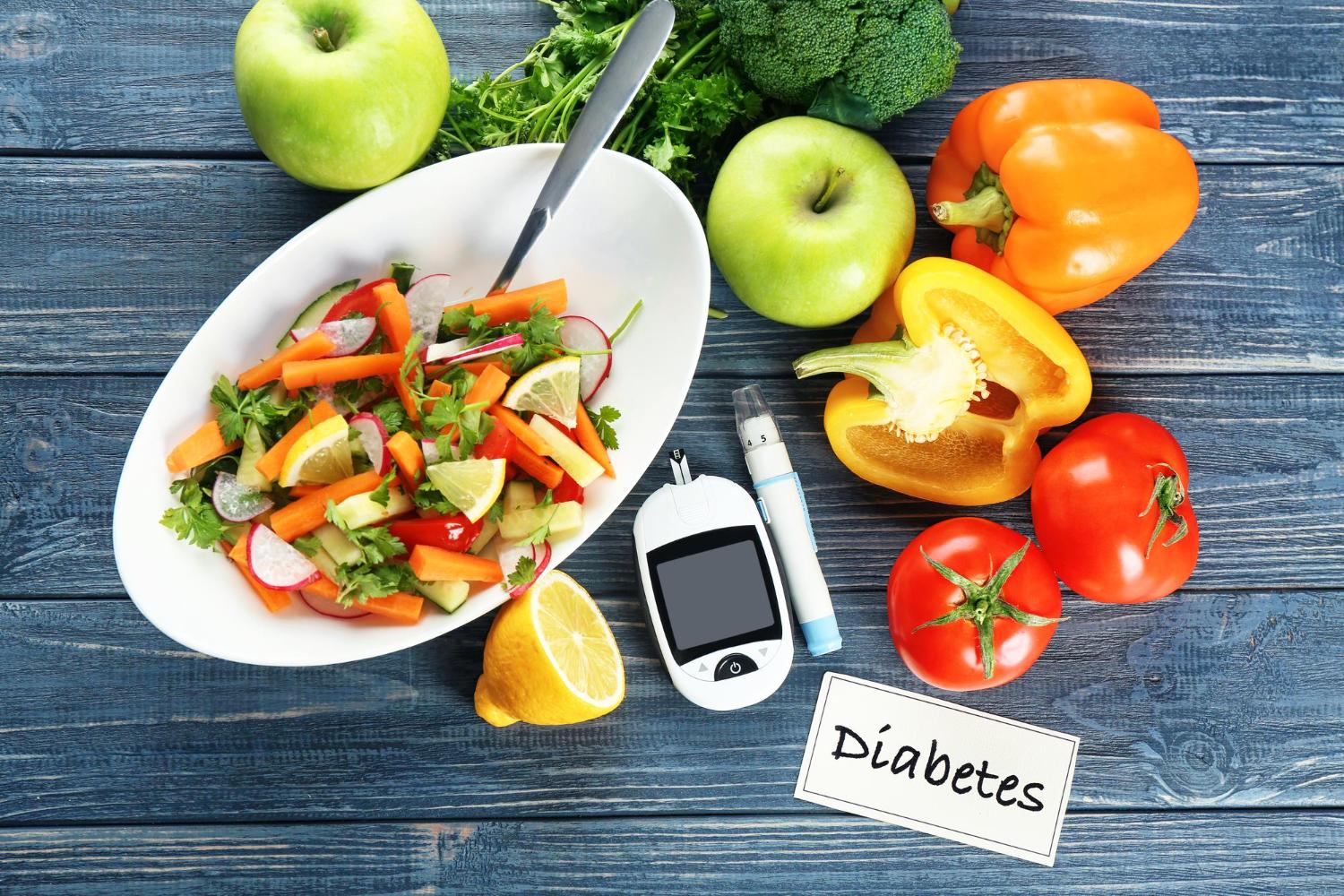
Let me start with something I tell every single patient who walks into my clinic after being diagnosed with Type 2 diabetes. I tell them: your food is not your enemy. Your plate is not a punishment. It is, in fact, one of the most powerful tools you now have in your hands.
In over two decades of working with people living with diabetes, I have seen one thing remain constant. The moment someone understands how food actually works in their body, the fear disappears. They stop feeling overwhelmed at mealtimes and start feeling in control. That shift is everything.
So let us have that conversation today, simply and honestly.
What is Actually Happening Inside Your Body
When you eat carbohydrates, whether that is rice, roti, fruit, or even a glass of juice, your body breaks them down into glucose. That glucose enters your bloodstream. In a healthy body, the pancreas releases insulin to move that glucose into your cells for energy. In Type 2 diabetes, either the insulin is not doing its job properly or the cells have stopped responding to it the way they should. The glucose stays in the blood longer than it should, and over time, that causes problems.
This does not mean you should avoid carbohydrates completely. That is one of the biggest myths I have spent years correcting. It means you need to think about the type and quantity of carbohydrates you eat, and more importantly, what you pair them with.
The Plate Method: Simple, Visual, and It Works
I teach almost every diabetic patient the same foundational tool, and it costs nothing. It is called the Plate Method. Take a regular sized dinner plate and divide it mentally into three sections.
Half your plate should be filled with non starchy vegetables. Think palak, methi, lauki, tinda, cauliflower, cucumber, tomatoes, and capsicum. These are low in calories, high in fibre, and they slow down how quickly glucose enters your blood.
One quarter of your plate is for protein. Dal, chana, rajma, eggs, paneer, curd, fish, or chicken. Protein does not raise your blood sugar. It keeps you full longer and helps preserve your muscle mass, which matters a great deal when you have diabetes.
The last quarter is for your grains or starchy foods. One small bowl of rice, one or two rotis, or a portion of dalia. Not zero carbohydrates. Just less, and smarter.
This one simple structure, followed consistently, can make a dramatic difference to your blood sugar readings. I have seen patients reduce their HbA1c by a full point or more just by getting their plate balance right.
The Glycemic Index: A Tool, Not a Religion
You may have heard of the glycemic index, or GI. It ranks foods based on how quickly they raise blood sugar. White bread has a high GI. Oats have a low one. Brown rice is lower than white rice. This is useful information, but I want you to use it as a guide, not as a source of anxiety.
Here is something more practical: the GI of a meal changes based on what you combine. Eating white rice alone spikes blood sugar fast. Eating white rice with dal, vegetables, and a spoon of ghee slows that spike significantly. Context matters. Combination matters. This is why obsessing over individual foods misses the bigger picture.
Practical swaps that genuinely help: choose multigrain or whole wheat roti over maida. Opt for brown rice or hand pounded rice occasionally. Replace fruit juice with whole fruit. Eat your vegetables before your grains at each meal. Small changes, done daily, create significant results over time.
What About Sugar, Chai, and All the Things You Love?
This is the question everyone is afraid to ask, so I will answer it directly. You do not need to eliminate everything. You need to be aware and make adjustments.
Chai with one teaspoon of sugar once or twice a day is very different from three heavily sweetened cups daily. A small serving of mithai at a family celebration, eaten after a proper meal, is different from eating sweets on an empty stomach. Diabetes management is about patterns and portions, not about perfection or permanent deprivation.
What I advise my patients to be genuinely careful about: packaged snacks, sweetened beverages, fruit juices, biscuits marketed as healthy, and foods with hidden sugar like ketchup, flavoured yogurt, and ready to eat meals. These raise blood sugar quietly and consistently, often without the person realizing it.
Three Habits That Change Everything
Beyond what is on your plate, how and when you eat matters enormously. After years of practice, these are the three habits I return to with almost every patient.
Do not skip meals. Skipping lunch to eat less often leads to overeating at dinner and a blood sugar rollercoaster through the day. Aim for three balanced meals with one or two small snacks if needed.
Move after eating. Even a ten to fifteen-minute walk after your main meals can reduce your post meal blood sugar by a meaningful amount. It is one of the most underutilized tools in diabetes management.
Eat slowly and without distractions. Eating in front of a screen almost always leads to eating more than you intended. When you are present at your meal, you eat less, enjoy more, and your digestion works better.
You Are More Than Your Blood Sugar Numbers
Diabetes is a long-term condition, and I will not pretend it is easy to manage every single day. There will be days when your readings are off despite doing everything right. There will be celebrations, travel, stress, and illness that all affect your glucose in ways you cannot fully control.
What I want you to take from this is one thing: small, consistent changes to the way you eat will always add up to something significant over time. You do not need a perfect diet. You need a sustainable one.
Start with your plate tonight. Fill half of it with vegetables. Add a good portion of dal or curd. Keep the rice or roti to a quarter. Then go for a short walk after dinner.
That is not a diet. That is a life you can live with.